Use of in-line IV filters in parenteral nutrition

SUMMARY
Parenteral Nutrition (PN) provides vital nutrients intravenously to patients unable to eat or absorb food, with tens of thousands receiving PN each year in the U.S.. Risks of contamination include particles, air, microorganisms and enlarged lipid droplets. In-line IV filters can help to mitigate these risks.

The information below summarizes published literature and is not a Pall product performance or clinical outcome claim. Device capabilities and use conditions (including any microbial or endotoxin retention) are defined by the applicable Instructions for Use
What is parenteral nutrition (PN)?
The American Society for Parenteral Nutrition (ASPEN) defines PN as “an intravenous administration of nutrition, which may include protein, carbohydrate, fat, minerals and electrolytes, vitamins and other trace elements for patients who cannot eat or absorb enough food through tube feeding formula or by mouth to maintain good nutrition status. Achieving the right nutritional intake in a timely manner can help combat complications and be an important part of a patient’s recovery. Parenteral nutrition is sometimes called Total Parenteral Nutrition (TPN)”.1 Safety concerns with all parenteral solutions include the potential exposure of patients to particles and pathogens2. ICU patients are particularly at risk due to the need for prolonged PN therapy. PN could therefore be defined as being clear fluid PN or lipid containing PN dependent on its formulation.
How many patients receive PN in the Unites States?
Lipid containing and/or clear fluid PN is received by both hospitalized patients and patients at home. According to the 2014 National Inpatient Survey data (latest available statistics), the annual number of patients receiving a PN solution increased significantly from 25,075 in 2001 to 33,435 in 2014 and peaked at 43,350 in 2012 in the United States3. It is estimated that 25,000 patients are receiving parenteral nutrition at home (Medicare beneficiary data for 2013)4.
Safety concerns associated with parenteral nutrition
Safety Concerns associated with Parenteral Nutrition includes the following:
- Particles: All intravenous fluids, including PN solutions may contain unintentional particles2
- Microbial growth: Lipid containing PN solutions are often considered as an ideal microbial growth medium.5
- Central line-associated bloodstream infections (CLABSIs): CLABSIs are the most common and serious complications for patients with intestinal failure receiving lipid containing PN.6-9
- Outbreaks: In the past, several species of microorganisms have been involved in PN-related outbreaks.10-15
- Enlarged Lipid Droplets: If lipid droplets size exceeds 5 µm patients can be at risk of pulmonary capillary occlusion and fat emboli.15
Managing the risks associated with parenteral nutrition: In-line IV Filters
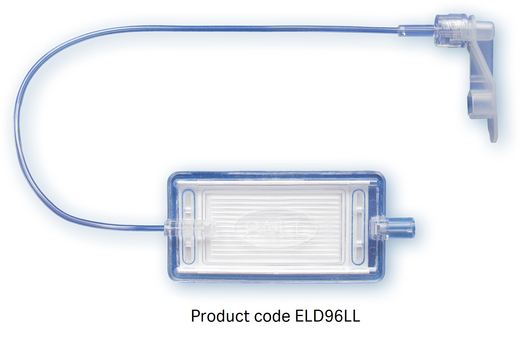
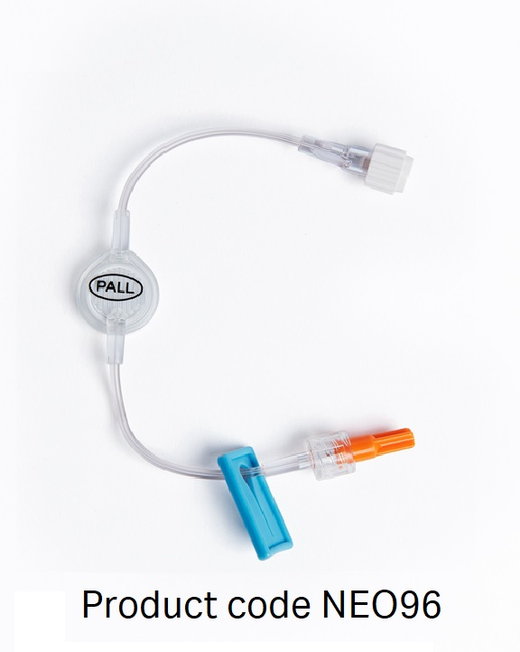
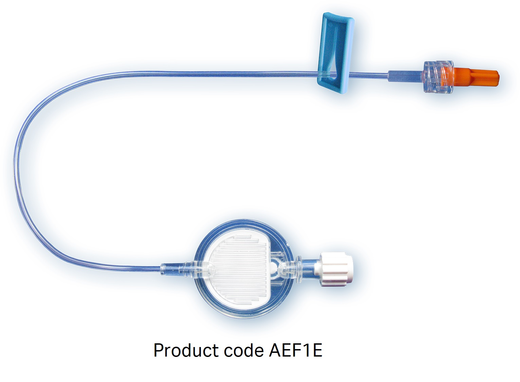
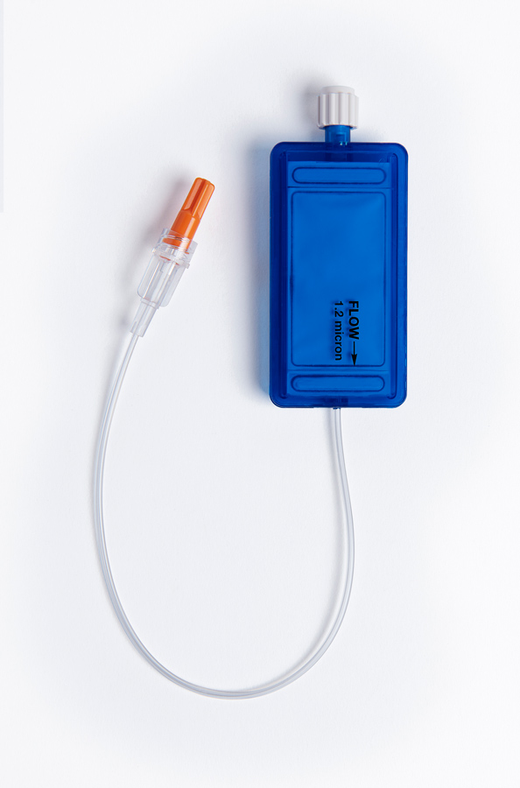
- Our 1.2 µm IV filters can retain inadvertent particulate debris, air, microorganisms eg Candida albicans, and enlarged lipid droplets.
- Our 0.2 µm IV filters can retain inadvertent particulate debris, air, and microorganisms.
- Our 0.2 µm in-line IV filters with a positively charged membrane can retain inadvertent particulate debris, air, microorganisms and their associated endotoxins.
Explore our IV Parenteral solutions
References
- ASPEN (2022, February 28th). What Is Parenteral Nutrition. Retrieved from http://www.nutritioncare.org/about_clinical_nutrition/what_is_parenteral_nutrition/
- Worthington P. et al. (2021). Update on the use of filters for parenteral nutrition: an ASPEN position paper. Nutr Clin Pract. 2021;36(1): 29-39.
- John J. & Seifi A. (2017). Total parenteral nutrition usage trends in the United States. J Crit Care; 40: 312-313.
- Mundi M.S. et. (2017). Prevalence of Home Parenteral and Enteral Nutrition in the United States. Nutr Clin Pract; 32(6): 799-805.
- Austin P.D. et al. (2016). Systematic review and meta-analyses of the effect of lipid emulsion on microbial growth in parenteral nutrition. Journal of Hospital Infection; 94(4): 307-319
- Gompelman M. et al. (2020). Clinical Characteristics and Outcomes of S. Aureus Bacteremia in Patients Receiving Total Parenteral Nutrition. Nutrients; 12(10): 3131
- Howard L. and Ashley C. (2003). Management of complications in patients receiving home parenteral nutrition. Gastroenterology; 124: 1651–1661
- O’Keefe S.J. et al. (1994). Recurrent sepsis in home parenteral nutrition patients: An analysis of risk factors. JPEN J. Parenter Enter. Nutr; 18: 256–263
- Bozzetti F. et al. (2002). Central venous catheter complications in 447 patients on home parenteral nutrition: An analysis of over 100.000 catheter days. Clin. Nutr.; 21: 475–485
- Valdés-Corona LF et. al. (2021). Cupriavidus pauculus bacteremia related to parenteral nutrition. Case series report. IDCases; 24: e01072
Garza-González E. et al. (2021). Molecular investigation of an outbreak associated with total parenteral nutrition contaminated with NDM-producing Leclercia adecarboxylata. BMC Infect Dis; 21 (235). https://doi.org/10.1186/s12879-021-05923-0 - Bae JY et al. (2018) Sudden Deaths of Neonates Receiving Intravenous Infusion of Lipid Emulsion Contaminated with Citrobacter freundii. J Korean Med Sci; 33(10):e97
- Guducuoglu H. et al. (2016). Candida albicans outbreak associated with total parenteral nutrition in the neonatal unit. Indian Journal of Medical Microbiology; 34(2): 202-207
- Pillonetto M. et al. (2018). Molecular investigation of isolates from a multistate polymicrobial outbreak associated with contaminated total parenteral nutrition in Brazil. BMC Infect Dis; 18(1): 397
- Gupta N. et al. (2014). Outbreak of Serratia marcescens Bloodstream Infections in Patients Receiving Parenteral Nutrition Prepared by a Compounding Pharmacy,
- Clinical Infectious Diseases; 59 (1): 1–8
Need expert help with medical filtration? We can assist you!
Our in-line IV filters
*Products displayed on this website may not hold regulatory approval, authorisation, or clearance in all countries, and their availability is subject to regional regulatory requirements. For local office contact information, visit our contact page